Source Diesel Engine Driven Trencher for Agriculture, Fiber Optic, and Cable Digging
Find 30 diesel engine driven trencher models from Henan, China with CE certification and 1-year warranties. Compare specifications like 25-150hp power, 600-915mm depth, and 100-300mm width for ditching and fiber optic projects.
Key considerations
Products List
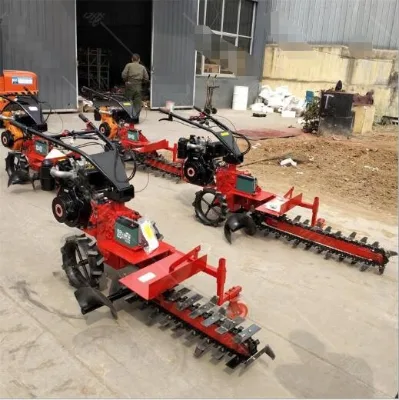


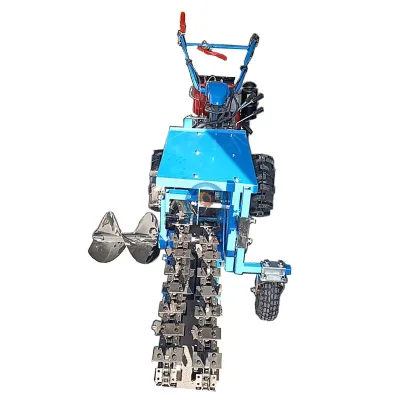
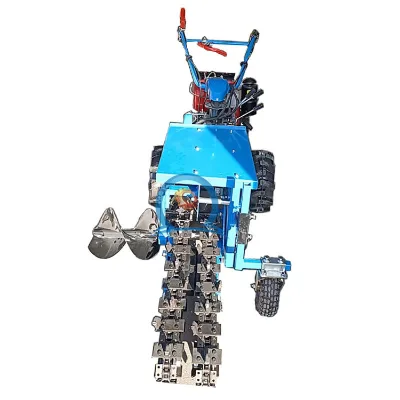
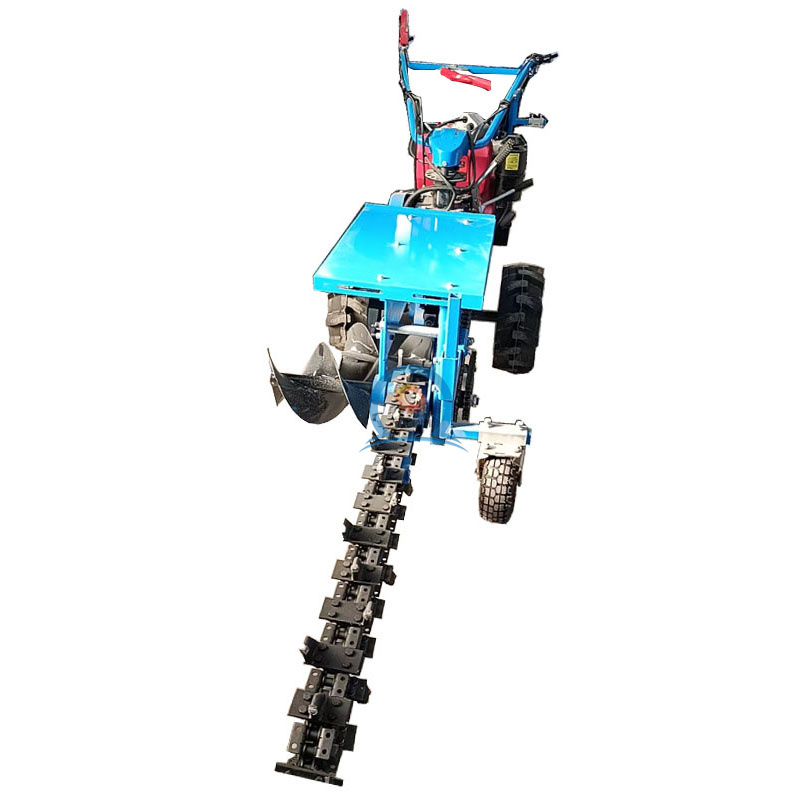
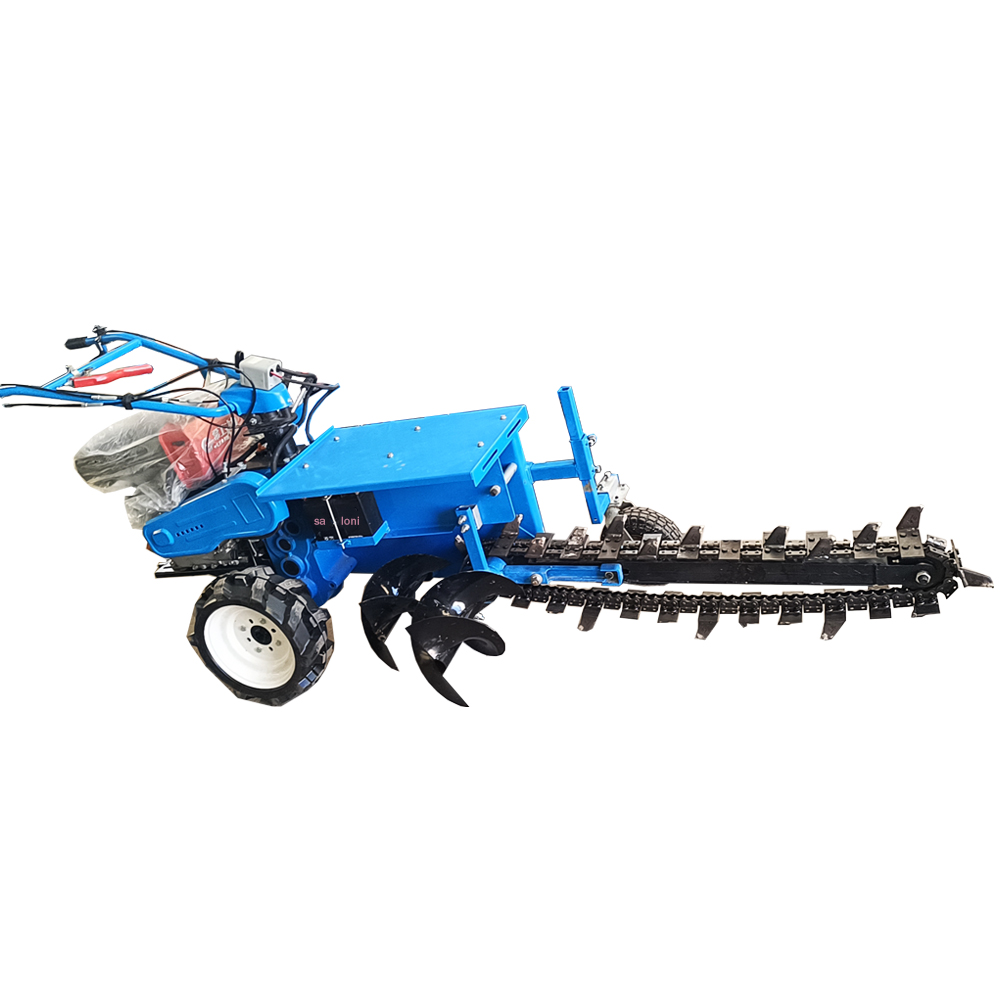
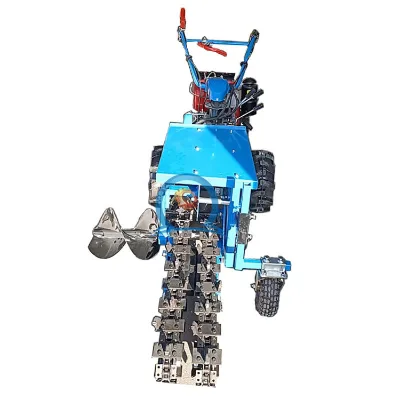
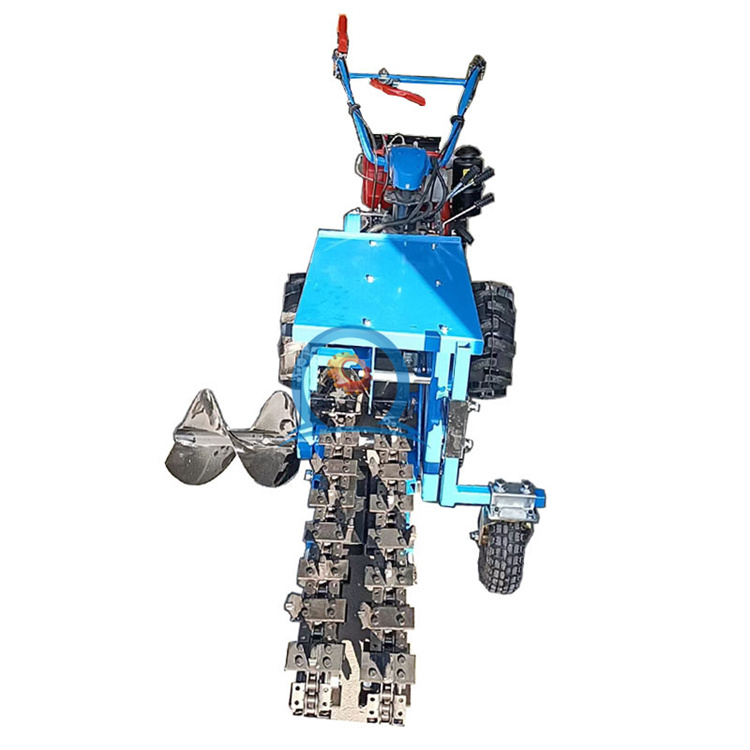
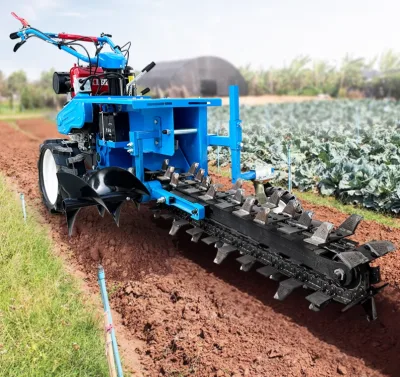
Comprehensive Sourcing Guide
Strategic Sourcing Guide for Diesel Engine Driven Trenchers
Understanding Technical Specifications and Operational Capabilities
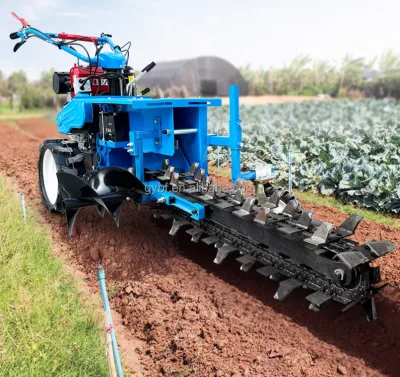
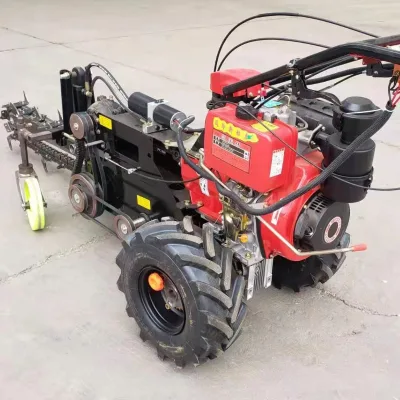
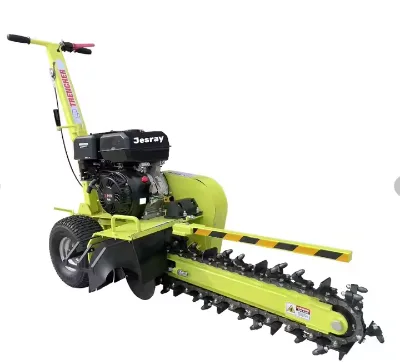
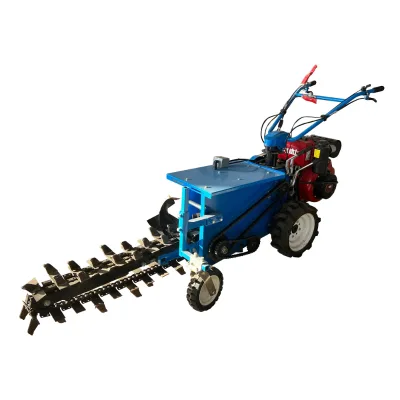
When sourcing a diesel engine driven trencher, buyers must first establish a clear understanding of the machine's core technical architecture. The primary distinction in this category lies between walk-behind units and tractor-mounted systems, though the specific market segment for "walking tractor chain trenchers" offers a unique blend of portability and power. The fundamental power source is a diesel engine, which provides the high torque necessary for continuous digging operations in varied soil conditions. In the observed market, specific models are equipped with engines rated at 12HP, serving as a baseline for smaller, single-operator units. However, broader system requirements often span a range of 25 to 150 horsepower, indicating that procurement strategies must align the engine size with the specific soil density and trenching depth requirements of the project.
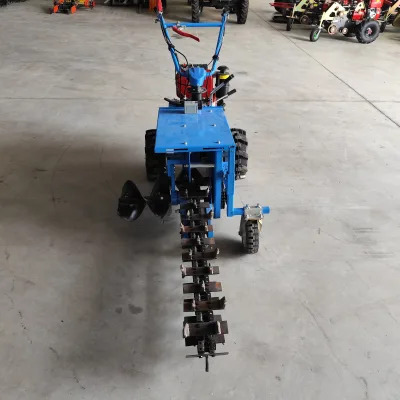
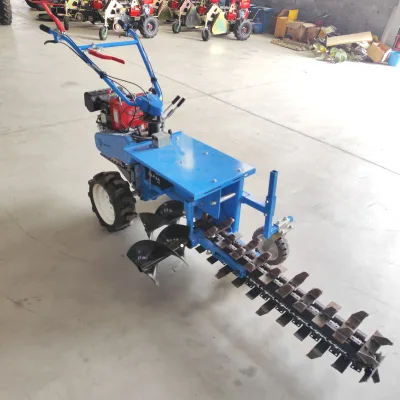
The mechanical configuration of the trenching mechanism is equally critical. The dominant design in this sector utilizes a chain trencher system, where a continuous loop of digging teeth is driven by a sprocket mechanism. This design is particularly effective for creating narrow, deep trenches required for cable laying and fiber optic installation. The working width for these machines typically ranges from 100mm to 300mm, allowing for precise excavation that minimizes backfill requirements. Depth capabilities vary significantly across models; observed specifications indicate a standard working depth between 600mm and 800mm, with some heavy-duty variants capable of reaching depths up to 915mm. Buyers should verify the specific depth range of any supplier's offering, as the "Trench Depth" attribute can be listed as a single value (e.g., 600mm) or a range (e.g., 200, 400, 600mm), depending on the adjustability of the machine's boom or chain assembly.
Mobility and structural integrity are defined by the machine's weight and movement system. Units in this category often weigh between 180kg and 280kg, a factor that influences transport logistics and operator fatigue. The "Moving way" is predominantly wheel-based, designed for stability on uneven terrain. The structural configuration is often described as a "Single Disc" or similar assembly, which houses the chain drive. The number of chains can vary, with some configurations offering a single chain while others support dual chains for increased productivity. Understanding these physical attributes is essential for determining if the machine fits the operational constraints of the job site, particularly regarding access roads and the weight-bearing capacity of the ground.
Compliance, Certification, and Safety Standards
In the global B2B machinery market, compliance with international safety and quality standards is a non-negotiable prerequisite for procurement. The primary certification observed in the current market for these trenchers is the CE mark. This certification indicates that the product meets the essential requirements of relevant European Union directives regarding health, safety, and environmental protection. For buyers operating in or exporting to Europe, the presence of a valid CE certificate is mandatory. However, the absence of this mark in a listing does not automatically disqualify a product for other markets, but it necessitates a rigorous verification process by the buyer to ensure local regulatory compliance.
Beyond the CE mark, buyers must scrutinize the documentation regarding machinery test reports. High-confidence data indicates that reputable suppliers provide machinery test reports, which serve as empirical evidence of the machine's performance under load. These reports should detail the results of stress tests, engine performance metrics, and safety mechanism evaluations. The core components of the machine, specifically the engine and motor, are subject to these tests. When evaluating a supplier, procurement teams should request these reports to verify that the "Core Components" listed in the product description are genuine and meet the performance claims.
Furthermore, the warranty structure serves as a proxy for the manufacturer's confidence in their product's durability. A standard warranty period observed in this category is one year. This coverage typically applies to the core components and the structural integrity of the trenching mechanism. Buyers should carefully review the terms of the warranty to understand what constitutes a defect versus normal wear and tear. The availability of after-sales service is another critical compliance factor. Trusted suppliers often provide engineers available to service machinery overseas, which is a vital support mechanism for international buyers who may lack local technical expertise. This service capability ensures that downtime is minimized and that the machine remains operational throughout its lifecycle.
Cost Drivers and Pricing Dynamics
The pricing structure for diesel engine driven trenchers is influenced by a complex interplay of factors, including engine power, build quality, and the inclusion of advanced features. The observed market price range for these units spans from $225 to $2,000 USD. This wide variance suggests that the market includes both entry-level, lightweight models and heavy-duty, industrial-grade machines. The lower end of the price spectrum likely corresponds to units with smaller engines (e.g., 12HP) and simpler configurations, while the higher end reflects machines with more powerful engines (up to 150HP), dual-chain systems, and enhanced durability features.
Minimum Order Quantity (MOQ) is another significant cost driver. The observed MOQ range for these products is between 1 and 10 units. This flexibility allows buyers to procure single units for pilot projects or small-scale operations without committing to large inventory volumes. However, buyers should be aware that purchasing at the lower end of the MOQ spectrum may result in a higher unit cost compared to bulk orders. The "Selling Units" attribute typically lists these items as single items, meaning the price quoted is usually for one complete machine.
Customization options also impact the final cost. Many suppliers offer OEM (Original Equipment Manufacturer) services and customization availability. This allows buyers to tailor the machine to specific brand requirements or operational needs, such as adding specific attachments or modifying the chain configuration. While customization adds value, it inevitably increases the unit price and may extend the lead time. Buyers must balance the need for specific features against the budget constraints, ensuring that the added cost of customization provides a tangible return on investment in terms of productivity or efficiency.
Typical Applications and Operational Efficiency
The primary application for diesel engine driven trenchers is in the agricultural and infrastructure sectors, specifically for ditching and cable laying. The "Application Field" is predominantly listed as Agriculture, but the utility extends to construction and telecommunications. The "Function" is explicitly defined as a "Chain Trench Digger," designed for high-speed, repeated insertion into a ditch. This operational mode is ideal for creating long, continuous trenches with minimal disruption to the surrounding soil structure.
Key selling points for these machines often revolve around high productivity and ease of operation. The "Working speed" of approximately 2 meters per minute provides a baseline for estimating project timelines. For large-scale projects involving fiber optic cable installation or irrigation ditch construction, this speed translates into significant time savings compared to manual excavation or less efficient machinery. The "Use" category explicitly mentions ditching, confirming the machine's suitability for creating channels for water management or utility lines.
The versatility of these machines is further enhanced by their ability to handle different trenching depths and widths. With working widths ranging from 100mm to 300mm and depths up to 915mm, they can accommodate a wide variety of cable types and pipe sizes. The "Keywords" associated with these products, such as "Optic Fiber Trenching Machine" and "Cable Digging Trench Machine," highlight their specialized role in the telecommunications industry. Buyers should ensure that the machine's specifications align with the specific depth and width requirements of their intended application to avoid underperformance or the need for costly modifications.
Supplier Evaluation and Quality Assurance
Evaluating suppliers for diesel engine driven trenchers requires a multi-faceted approach that goes beyond simple price comparison. The "Place of Origin" for many of these machines is Henan, China, a region known for its manufacturing base in agricultural machinery. While this location offers competitive pricing, buyers must conduct thorough due diligence to ensure quality consistency. The "Brand Name" associated with these products, such as "Sincerely," should be verified for its reputation in the market. However, buyers should not rely solely on brand recognition; instead, they should assess the supplier's track record regarding delivery times, after-sales support, and product reliability.
Quality control measures are paramount in this sector. Buyers should request documentation regarding the "Machinery Test Report" and verify that the "Core Components" (Engine, Motor) are sourced from reputable manufacturers. The "Weight" of the machine, listed as 280kg or 180kg depending on the model, is a critical indicator of build quality. A heavier machine often implies the use of more robust materials and better engineering, which can contribute to longer service life and reduced maintenance costs. However, buyers must ensure that the weight specifications are accurate and not inflated to justify higher prices.
The "Packing" method is another aspect of quality assurance. Standard export wooden packages are commonly used to protect the machinery during international shipping. Buyers should verify that the packaging meets international standards to prevent damage during transit. Additionally, the "Certification" status, particularly the CE mark, should be validated through official channels to ensure authenticity. Suppliers who are transparent about their testing procedures and certification status are generally more reliable partners.
Long-Term Procurement and Lifecycle Management
Sourcing a diesel engine driven trencher is not merely a transactional purchase but an investment in long-term operational capability. The "Warranty" period of one year provides a baseline for manufacturer support, but buyers should consider the long-term maintenance requirements of the machine. The "After-sales Service Provided" by the supplier, including the availability of engineers overseas, is a critical factor in ensuring the machine remains operational over its lifespan. Buyers should establish clear communication channels with the supplier to address any technical issues that may arise post-purchase.
The "Key Selling Points" of the machine, such as "High Productivity" and "Easy to Operate," should be evaluated in the context of the buyer's operational environment. A machine that is easy to operate reduces the training time for new operators and minimizes the risk of operator error. However, the "Working Speed" and "Trench Depth" capabilities must be matched to the specific demands of the project to ensure that the machine delivers the expected productivity gains.
Finally, buyers should consider the "Customization" options available for long-term use. As project requirements evolve, the ability to modify the machine or add attachments can extend its useful life and versatility. The "OEM" acceptance by suppliers indicates a willingness to collaborate on custom solutions, which can be beneficial for buyers with unique operational needs. By focusing on these long-term considerations, buyers can ensure that their investment in a diesel engine driven trencher delivers sustained value and efficiency over time.
FAQs
What is the typical working depth for these trenchers?
The working depth typically ranges from 600mm to 800mm, with some heavy-duty variants capable of reaching up to 915mm. Buyers should verify specific depth capabilities as models may list single values or adjustable ranges depending on the chain assembly configuration.
Which certification is required for European market compliance?
The CE certification is the primary standard observed for these machines, indicating compliance with EU health and safety directives. Buyers operating in Europe must verify the presence of a valid CE certificate to ensure regulatory adherence before procurement.
How much does a single unit cost in the current market?
The observed price range for these units spans from 225 to 2000 USD depending on engine power and build quality. Lower prices usually correspond to 12HP models, while higher costs reflect more powerful engines up to 150HP and enhanced durability features.
Can suppliers provide overseas engineering support for repairs?
Yes, many suppliers offer engineers available to service machinery overseas as a standard after-sales service provision. This support is critical for international buyers to minimize downtime and ensure the machine remains operational throughout its one-year warranty period.
What is the minimum order quantity for purchasing these machines?
The minimum order quantity ranges from 1 to 10 units, allowing flexibility for pilot projects or small-scale operations. Buyers should note that purchasing at the lower end of this range may result in a higher unit cost compared to bulk orders.
Which engine power options are available for these trenchers?
Available power sources include diesel engines rated at 12HP for smaller units, with broader system requirements spanning 25 to 150HP. The specific engine size must align with soil density and trenching depth requirements to ensure effective continuous digging operations.